BPC-157 Oral vs Injection — Routes Compared
BPC-157 oral vs injection routes compared from published research. Bioavailability, study doses, and what each route was tested for in animals.
BPC-157 has undergone testing through both oral and injected forms in published research on animals. Such is uncommon for any peptide since the majority of peptides get destroyed in the digestive tract before they start having any systemic effects. In the research done by the Sikiric group in Zagreb, functional outcomes were reported using both oral and intraperitoneal routes in the same model. In this article we compare what these routes consisted of, what we can learn from the limited data on the absorption of peptides through different routes, and what types of injuries have been tested with each route.
BPC-157 Oral vs Injection - Two Routes Studied in Animals
Injection Routes - Subcutaneous and Intraperitoneal
Injection of BPC-157 most frequently occurs via the intraperitoneal (IP) route, meaning it was administered in the peritoneal cavity of the rodents. So the compound completely bypasses the gastrointestinal tract and is allowed to diffuse from the peritoneal membrane. There are protocols that also apply the SC injection wherein the substance is delivered under the skin. Indeed IP injection is a common laboratory method in animal experiments as it is more rapid than intravenous injection and provides a proper absorption of the compound, however, it has not been used in medicine with humans. So the problem of translation arises.
Oral Routes - Gavage and Drinking Water
Oral administration in BPC-157 studies typically involved gavage, a method where a tube delivers a measured amount of liquid directly into the rat's stomach. Some studies also added BPC-157 to drinking water, allowing ad libitum consumption. Sikiric et al. (1999) used both oral gavage and IP injection at 10 mcg/kg per day and reported positive outcomes with both routes in gastrointestinal and soft-tissue models (PMID 9920181). The claim that a 15-amino-acid peptide survives stomach acid and intestinal proteases well enough to produce functional effects is central to BPC-157's distinctiveness in the peptide research landscape.
Bioavailability Comparison
What Limited Data Suggests About Absorption
Currently, it does not exist any published formal bioavailability study for BPC - 157 for any route. Bioavailability in pharmacology means a proportion of administered dose reaching a systemic circulation in its active form. The measurement involves taking blood samples across a certain time period after dosing which has not been done for BPC - 157. What we have is functional evidence obtained from rats administered BPC - 157 orally and demonstrating improved results in GI and healing studies so indicating sufficient amount of peptide absorbed or acting locally to result in effect. But “sufficient to result in an effect” does not represent quantified bioavailability.
The estimated oral bioavailability of numerous unmodified peptides of similar size is known to be below 1%. The acidic environment of the stomach (pH 1.5 to 3.5) and the enzymes such as pepsin, trypsin, and other proteases in the small intestine lead to rapid degradation of peptide bonds. BPC-157 researchers claim that the oral activity of the substance stems from its origin in gastric juice, as it is assumed that the peptide is naturally produced in the gastric juice and is resistant to gastric degradation. Although this theory appears to be reasonable, it has not been confirmed by any indirect plasma-level measurements.
Why Direct Comparison Is Difficult
In order to compare the oral and injection routes, it is essential to conduct regulated studies that apply the same dosage in both ways to the same species, measuring the same endpoint (preferably plasma concentration over time). The Sikiric group examined the two modes of administration in some studies, but the primary endpoint was tissue-related processes (like wound closure or healing), rather than plasma peptide concentrations. In other words, both methods produced effect on the rats, but this alone does not suggest they have caused the same amount of the drug in the blood. Although both methods resulted in similar functional results, PK (pharmacokinetics) data is not available here, hence no quantitative comparison could be done.
| Route | Dose Range in Studies | Models Used | Key Findings |
|---|---|---|---|
| Intraperitoneal (IP) | 10 mcg/kg/day | Tendon transection, muscle crush, GI lesions, nerve injury | Consistent positive outcomes across musculoskeletal and GI models (PMID 29879879) |
| Oral gavage | 10 mcg/kg/day | GI ulcers, fistulas, inflammatory bowel models, some soft-tissue models | Functional effects reported at the same dose as IP (PMID 9920181) |
| Drinking water | 10 mcg/kg/day (estimated from water consumption) | GI models, chronic administration protocols | Effects observed with ad libitum consumption (PMID 29879879) |
| Subcutaneous (SC) | 10 mcg/kg/day | Local tissue injury near injection site | Used less frequently than IP; similar dose range (PMID 29879879) |
Which Route Was Used for Which Purpose
GI Studies Favored Oral Administration
The idea of administering BPC-157 orally made sense when the topic of the research problem was connected with the functions of the gastrointestinal tract. Indeed, there were numerous tests on gastric ulcer healing, intestinal anastomosis, and colitis. Researchers supported the idea based on the assumption that the peptide injected to stomach or intestines will be first affecting the injured tissue before its systemic absorption. This theory, though, hasn’t been proven with pharmacokinetic data aimed at demonstrating that oral administration is truly effective in treating GI injuries.
In some instances, gavage was employed to deliver a reliable dose of the test substances while chronic protocols sometimes used drinking water for ease of use. The drinking water method adds uncertainty since different rats consume varying amounts of drink. However, the outcome of the study has been encouraging.
Musculoskeletal Studies Used Injection
Most tendon, muscle, and ligament research seem to have involved the utilization of intraperitoneal (IP) injection for study purposes. Staresinic’s study related to the Achilles tendon (PMID 14554208) used an IP injection of 10mcg/kg/day which might be suggested as IP injection technique being applicable to all the musculoskeletal disorders discussed. The Brcic’s research dealing with the crushing of muscle (PMID 20388964) also used IP injection. The reason might be that in case of musculoskeletal treatment, the target of treatment is achieved through vascular system while in case of other injuries, the methodology of delivery might be commonly used. Some forum comments can be interpreted as suggestions that the subcutaneous method of injection can be more effective; however, the use of this method has not been shown so effectively in literature on the given subject.
Product Forms Available
Vials for Reconstitution
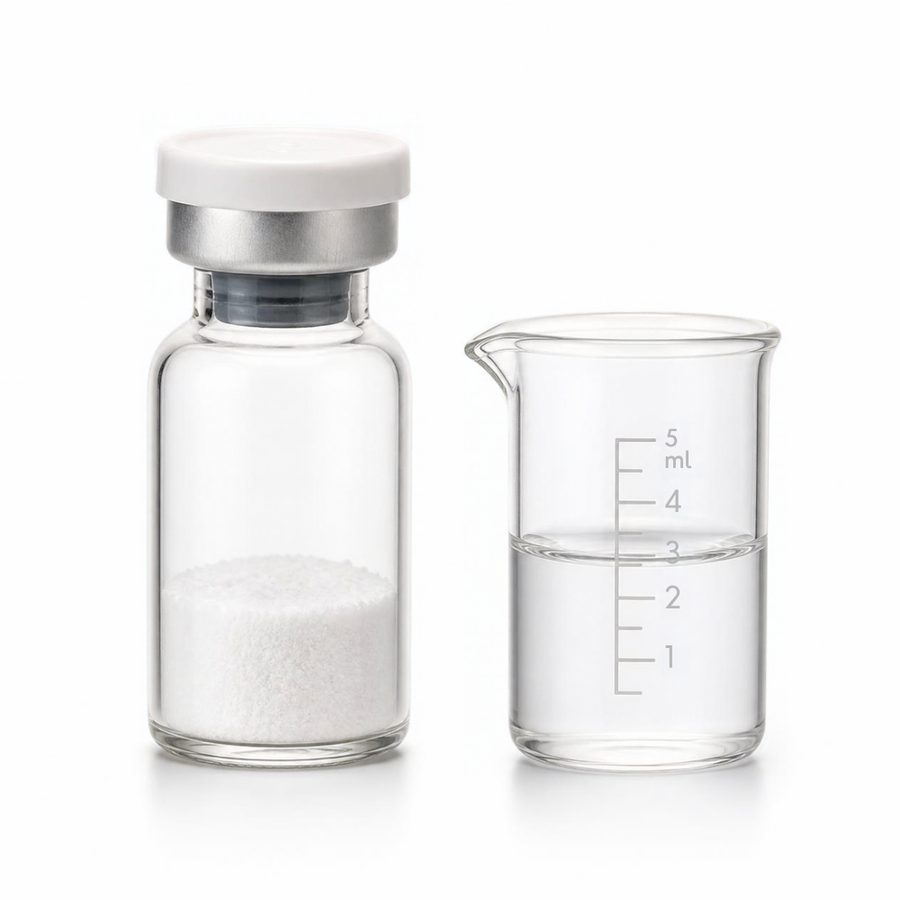
The most often found format of BPC-157 is in the form of a lyophilized powder packed in a sealed glass vial. It is available in the market for dissolution in bacteriostatic water. The company Real Peptides produces a vial of BPC-157 of 10 mg weight (SKU RP-BPC10V) for $43.20, and the HPLC COA declared shows the purity over 99%. Another company called PeptideGod offers BPC-157 at the price of $34.95, but there is no information regarding the vial size given in the description. In case of the reconstitution of the formulation, the liquid can be collected using a syringe and so be used for subcutaneous injection or theoretically orally. However, it is important to highlight that these are different methods of utilization described in scientific articles.
Capsules and Oral Liquids on the Market
There are some suppliers that supply BPC-157 in a form of liquid or oral capsules. These goods are marketed to customers who would rather have BPC-157 orally than by using injection methods. The liquid or capsule form of BPC-157 does not require the process of reconstitution. We have yet to analyze the peptide content or the stability of specific oral types of BPC-157. Oral peptide formulations need to overcome the impact of stomach acid and proteolytic enzymes. It is not clear without testing whether commercial oral types of BPC-157 allow for absorption of intact peptide in the intestinal lining or the blood stream.
For reconstitution math on injectable vials, see our reconstitution calculator.
FAQ - BPC-157 Routes
Is oral BPC-157 as effective as injection?
Reports on rat research suggest fairly comparable results from both methods of delivery (10 micrograms per kilogram each day). However, "similar outcomes in rats" does not imply that the bioavailability or effect size of both methods is the same. No direct study has been performed, where both methods of delivery are compared using the same endpoint for both methods of delivery with quantitative pharmacokinetics data. The Sikiric research published in 1999 used both methods and showed beneficial results for both methods, but it was qualitative analysis rather than quantitative data.
Can you drink reconstituted BPC-157?
Certain users claim that they take BPC-157 solution in the form of drinking the reconstituted solution. The reconstituted solution itself is nothing but the peptide and bacteriostatic water, which contains 0.9% benzyl alcohol. Most users in the peptide community believe drinking small quantities of bacteriostatic water is safe; however, there have been no published studies to support this assumption. Research on BPC-157 taken orally in rats used either gavage or drinking water but not the reconstituted solution. We cannot promote any method of use of any peptide with no regulatory approval.
Which route did most studies use?
Intraperitoneal injection was the single most common route across the published BPC-157 literature, based on the studies cataloged in the Sikiric 2018 review (PMID 29879879). Oral administration (gavage and drinking water) was used primarily in gastrointestinal models. Subcutaneous injection appeared less frequently. Topical application was used in a small number of wound-healing protocols. The overwhelming majority of the data comes from IP injection in rats.
Keep reading
BPC-157 Half Life — What Research Shows
BPC-157 half life data from available research. What limited pharmacokinetic studies suggest and why precise human half life is still unknown.
BPC-157 Reconstitution — Step-by-Step Math
Step-by-step BPC-157 reconstitution guide. Bacteriostatic water volumes, concentration math, and syringe reading explained with worked examples.
BPC-157 Dosage in Units — mcg to IU Conversion
BPC-157 dosage in units explained. Convert mcg to syringe units with a known concentration using step-by-step math and reference tables.
Compare the current picks
Prices, sizes and ratings side by side, updated when the merchant pages change.
Compare sources