BPC-157
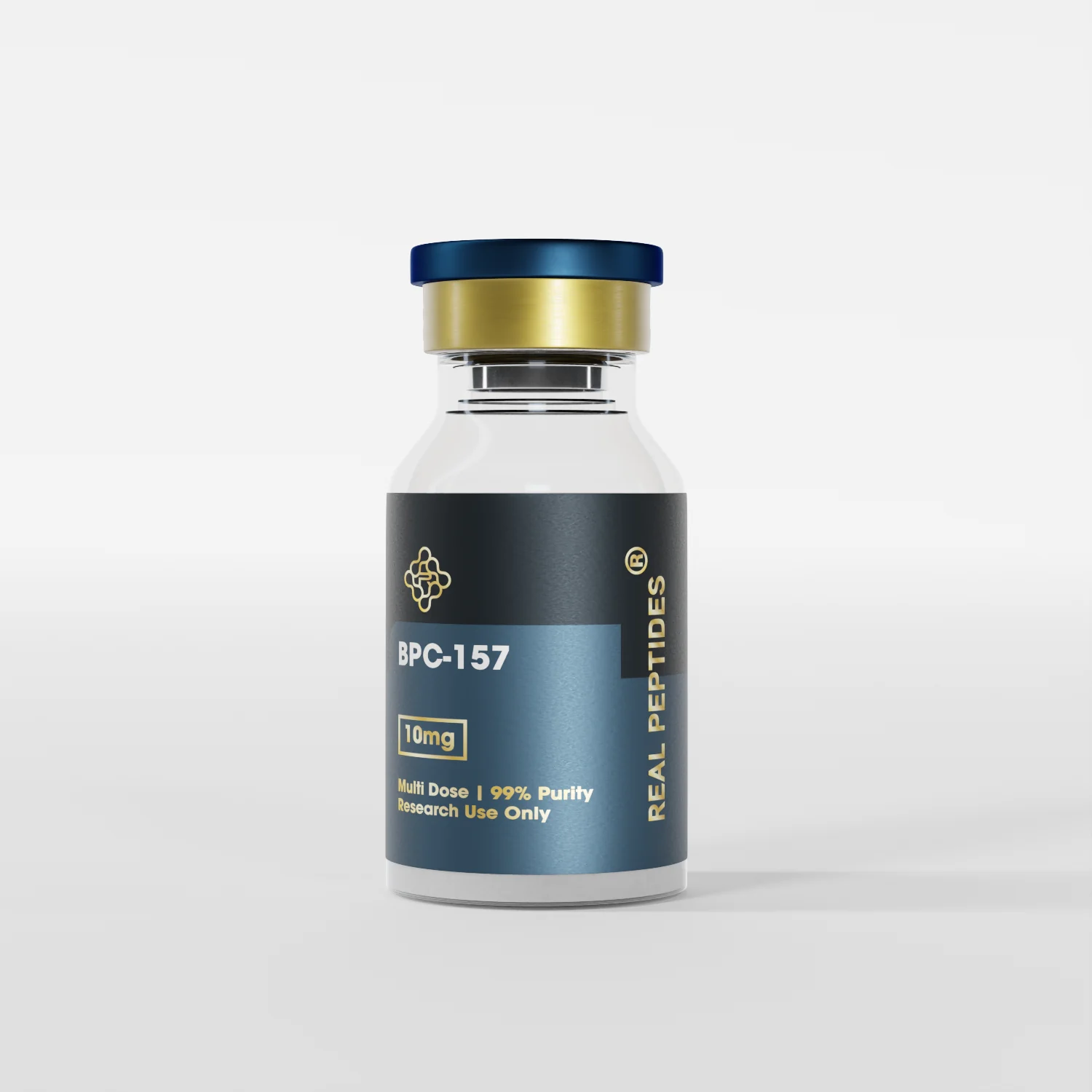
Lyophilized BPC-157 vial — lowest per-unit price among tested sources.
BPC-157 for sale from verified US vendors. Stock status, pricing per mg, and purity testing details compared side by side for 2026.

Lyophilized BPC-157 vial — lowest per-unit price among tested sources.
We look for a batch-level certificate of analysis published by the merchant.
Purity percentage and milligrams per vial as stated on the product page.
Clear research-use labeling, lot numbers and storage instructions.
Vials compared on price per milligram, not on sticker price.

Lyophilized BPC-157 vial — lowest per-unit price among tested sources.

10 mg BPC-157 vial with published lot COA — HPLC-verified 99%+ purity.
| Product | Form | Price | Brand | Use | Price |
|---|---|---|---|---|---|
| Peptide God BPC-157 | Lyophilized Powder | $34.95 | Peptide God | Research Only | $34.95 |
| Real Peptides BPC-157 Peptide 10mg | - | - | - | Research Only | $43.20 |
There are many listings online for BPC-157 from many different peptide vendors. However, the number of vendors and the quality of their offerings differ greatly. Before buying, customers will have to check three specific things: that they publish quality control testing specific to each batch, that the product’s label indicates that it is to be used for research purposes only, and that the price is reasonable in terms of price per milligram. In this article, we give a step-by-step guide to check the legitimacy of the vendors in question, compare the prices offered by two of the old and reputed vendors, and also discuss the most common questions that surround BPC-157 in the year 2026.
Since the year of 2020, the market of BPC-157 peptide products has expanded a lot. New suppliers enter the field frequently, and not every supplier maintains the documentation standard expected by research customers. The FDA sent a warning letter to enterprises engaged in the marketing of BPC-157 for therapeutic purposes. At the same time, the World Anti-Doping Agency classifies BPC-157 as a part of the S0 group of substances not approved. These facts make it clear that the peptide is not prohibited from purchasing for research needs, yet it exists in a gray zone where the vigilance of customers is required.
In the United States, BPC-157 is marketed as a research chemical. Vendors that sell BPC-157 properly label it with a disclaimer that reads "for research use only, not for human consumption." Such labeling is not simply a requirement of the law. It illustrates the regulatory status of the compound, which has not undergone FDA approval, does not have an established safety profile in humans, and is not considered a dietary supplement. Vendors who sell BPC-157 and provide dosing instructions for people may expose themselves to regulatory enforcement. From the buyer's perspective, research-use labeling is actually a good sign of the vendor's compliance.
The supply chains of peptides were disrupted in 2024 and 2025 due to stricter regulation of compounding pharmacies and suppliers of raw materials. As a result, some suppliers that used to have relatively huge stocks nowadays fulfill orders using the batch production process. No stocks are available now more frequently than it used to be three years ago. We recommend checking whether the stock is indeed available on the vendor's page before placing the order.
The three steps detailed in the following section are applicable in the case of any vendor of BPC-157. The process takes approximately ten minutes to complete, but will save buyers from mistakenly purchasing either a mislabeled or underdose product.
The certificate of analysis is the most important paper provided by a peptide supplier. It must be easily found on the page of products or provided on request in advance of the purchase. A COA must include a lot number identical to the stock present for sale. Generic COA which have the same information each time have a little meaning as it does not prove the examination of the definite PE vials available in stock.
Real Peptides offers specific certification of analysis documents, known as COAs, for its BPC-157 10 mg vials (SKU: RP-BPC10V). These COAs indicate the batch number for the vials and include an HPLC chromatogram and proof from mass spectrometry. On its part, PeptideGod does not provide any COAs for its BPC-157 page. Although this does not necessarily mean that the product in question is impure, it takes away from its client the option of checking its purity first. Refer to best BPC-157 for more details about how these two vendors compare.
High-performance liquid chromatography (HPLC) is the conventional technique used for the assessment of peptide purity. The outcome can be expressed in terms of a percentage reflecting the amount of the chemical that corresponds with the sample in question. Peptides that have been prepared for research purposes should contain a purity level of at least 98%. A proper chromatogram found on the certificate of analysis (COA) will show one clear peak at the expected retention time. The presence of either broad peaks, several peaks, or some baseline noise may raise concerns about the peptide's synthesis process.
Real Peptides reports the HPLC purity to be 99% or above for its product BPC-157. The certificate of analysis includes the complete chromatogram. When buying from any supplier, the consumer should compare the molecular weight shown in the certificate against its known value: around 1,419.5 g/mol for free acid BPC-157. If the results differ significantly, this means that there might be a different peptide or an incompletely degraded product in this vial.
Once sent, research chemicals are often not returnable as they are subject to contamination and chain of custody. Most suppliers will turn back opened vials. Still, it is reasonable for customers to demand a clear refund policy from the vendor for any damaged shipments or for products that weren’t what they ordered, or that arrived at too many degrees above a safe storage temperature. Be sure to review the vendor's policy page before placing your order. If the vendor has little to no policy regarding shipping damage or wrong products, then customers should be wary.
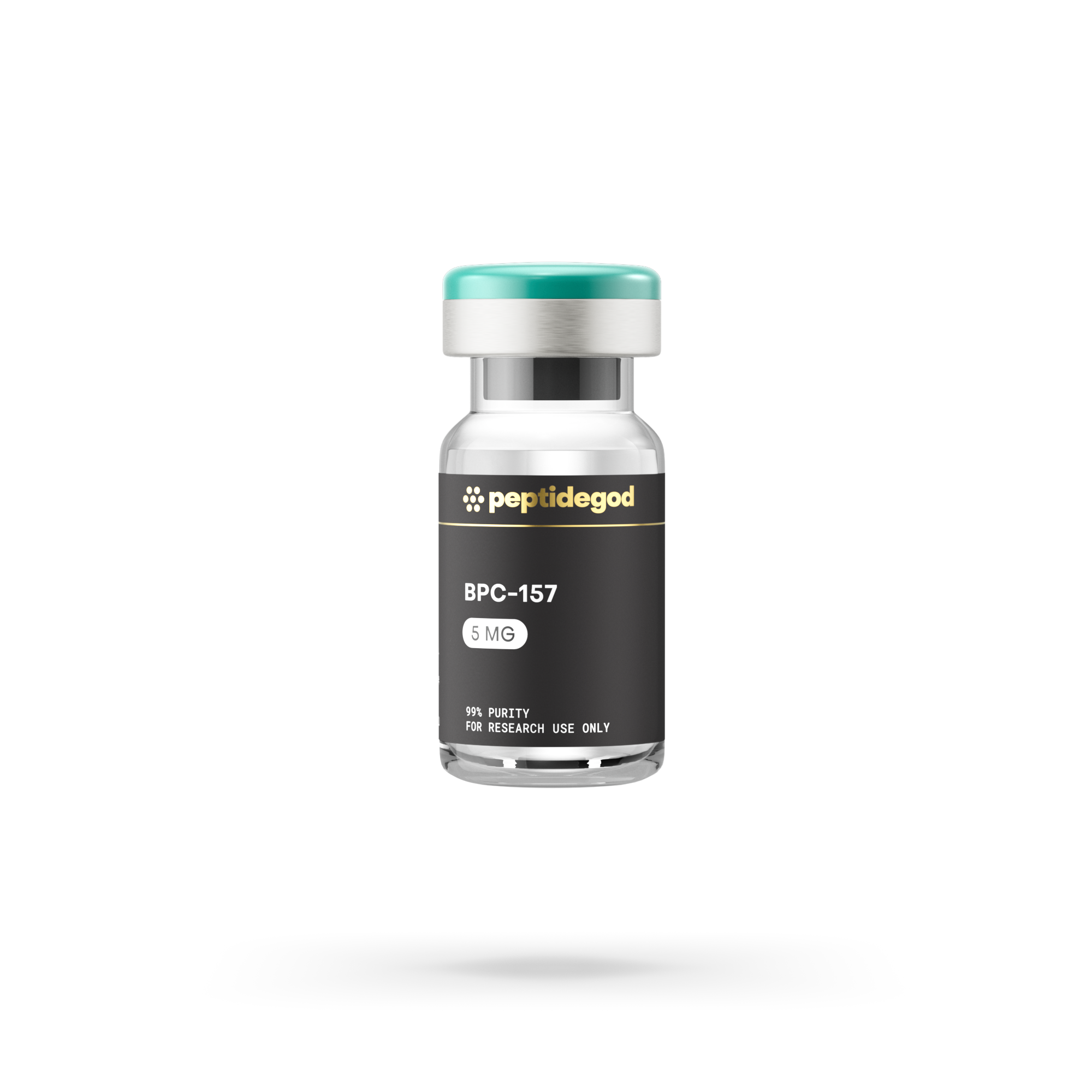
The table given below provides an overview of the availability and cost of products from 2 suppliers as of October 2026. Please bear in mind that the availability and cost of products can change from time to time, so double-check the details on supplier’s website before you place your order.
| Vendor | Product | Vial Size | In Stock | Price | Ships From | COA Available |
|---|---|---|---|---|---|---|
| PeptideGod | BPC-157 | Not specified | Yes | $34.95 | United States | No |
| Real Peptides | BPC-157 10mg | 10 mg | Yes | $43.20 | United States | Yes (lot-specific) |
| PeptideGod | BPC-157 + TB-500 Blend | Not specified | Yes | $59.95 | United States | No |
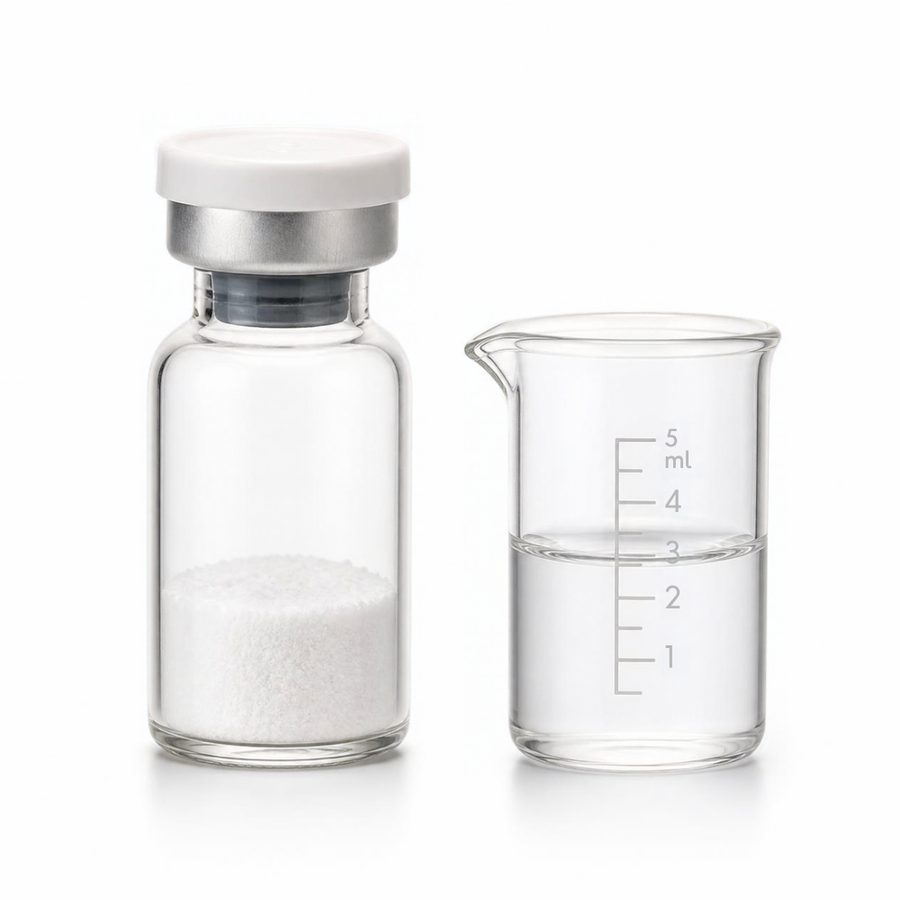
BPC-157 purchased on the internet presents itself in a powder form that has been freeze-dried. When delivered, it looks like a small piece of cake or pellet in a vial which has been kept at room temperature during transportation, but needs to be either cold stored in a refrigerator or frozen after delivery. The product is in a form of powder, but needs to be mixed up with either sterile or bacteriostatic water in order to be used for research.
The BPC-157 peptide is a 15-amino-acid sequence derived from a larger protein found in human gastric juice. Its molecular weight is approximately 1,419.5 g/mol. The published preclinical literature, reviewed comprehensively by Sikiric et al. 2018 (PMID 29879879), reports activity in rat models of tendon, ligament, and muscle injury as well as gastric ulceration. Doses in those studies are typically 10 mcg/kg body weight administered intraperitoneally or by local injection. No human clinical trial has been completed with published dose-response data.
There are particular indicators that require caution in looking at BPC-157 where-to-buy platforms. Vendors claiming to sell products that make some health claims such as "heals tendons" or "repairs gut lining" are incorrectly marketing an unapproved experimental compound. Problems also arise when firms display products that indicate the correct level of dosage for humans. More warning signs to look out for are vials that have no lot numbers, pages that have no COA or only one COA with no changes over time, and prices that are too low compared to the expense of creating and purifying the peptide in a vial of this size.
We also recommend checking community forums and review aggregation sites for recent buyer reports. Vendors with consistent complaints about underfilled vials, long shipping delays, or non-responsive customer service are best avoided regardless of price. For brand-level comparisons, our brands directory compiles available documentation and pricing across multiple peptide vendors.
BPC-157 is legal to purchase in the United States when sold and labeled as a research chemical. It is not approved by the FDA for human use, it is not a controlled substance under the Controlled Substances Act, and it is not a dietary supplement. The FDA has taken enforcement action against companies that market BPC-157 with therapeutic claims or human dosing instructions. Purchasing it for legitimate research purposes, with proper labeling, remains lawful.
BPC-157 cannot be bought from shops or pharmacies. You can find it through several online vendors that are selling peptides and chemical supplies. Some compounding pharmacies used to have BPC-157 for sale but were forced to remove this drug due to the FDA’s moves in 2023 and 2024. Now in 2026, BPC-157 is sold through online vendors as a research chemical.
The average price for a vial of research-grade BPC-157 with 10 mg and a verified COA and HPLC purity of over 98% is expected to be in the range of $35 to $55 in 2026. If there is a supplier providing it for less than $25 per 10 mg vial, this should raise alarm since the cost of synthesis and purification of the peptide, synthesized at about 99% purity, establishes the absolute minimum price legitimate sellers should charge. If we have a price above $60 and it’s still for a 10 mg vial, it’s often a consequence of brand markup and not necessary higher quality. The price per milligram is the most valuable parameter, as the capacity to compare various sizes of vials remains unchanged. For instance, the company Real Peptides sells 10 mg vial for $43.20 (that’s $4.32 for every mg).
BPC-157 is categorized as a study substance and hasn’t been permitted for human consumption according to the Federal Drug Administration and other relevant agencies in the world. No content on this website should be seen as healthcare instructions, advice regarding proper doses, or self-administering instructions for peptides. Users are recommended to speak to a doctor and read the pertinent literature on BPC-157 such as this study conducted by the researchers Sikiric and others (PMID 29879879). All items mentioned here are available for laboratory and research purposes only.

Prices, sizes and ratings side by side, updated when the merchant pages change.
Compare sources